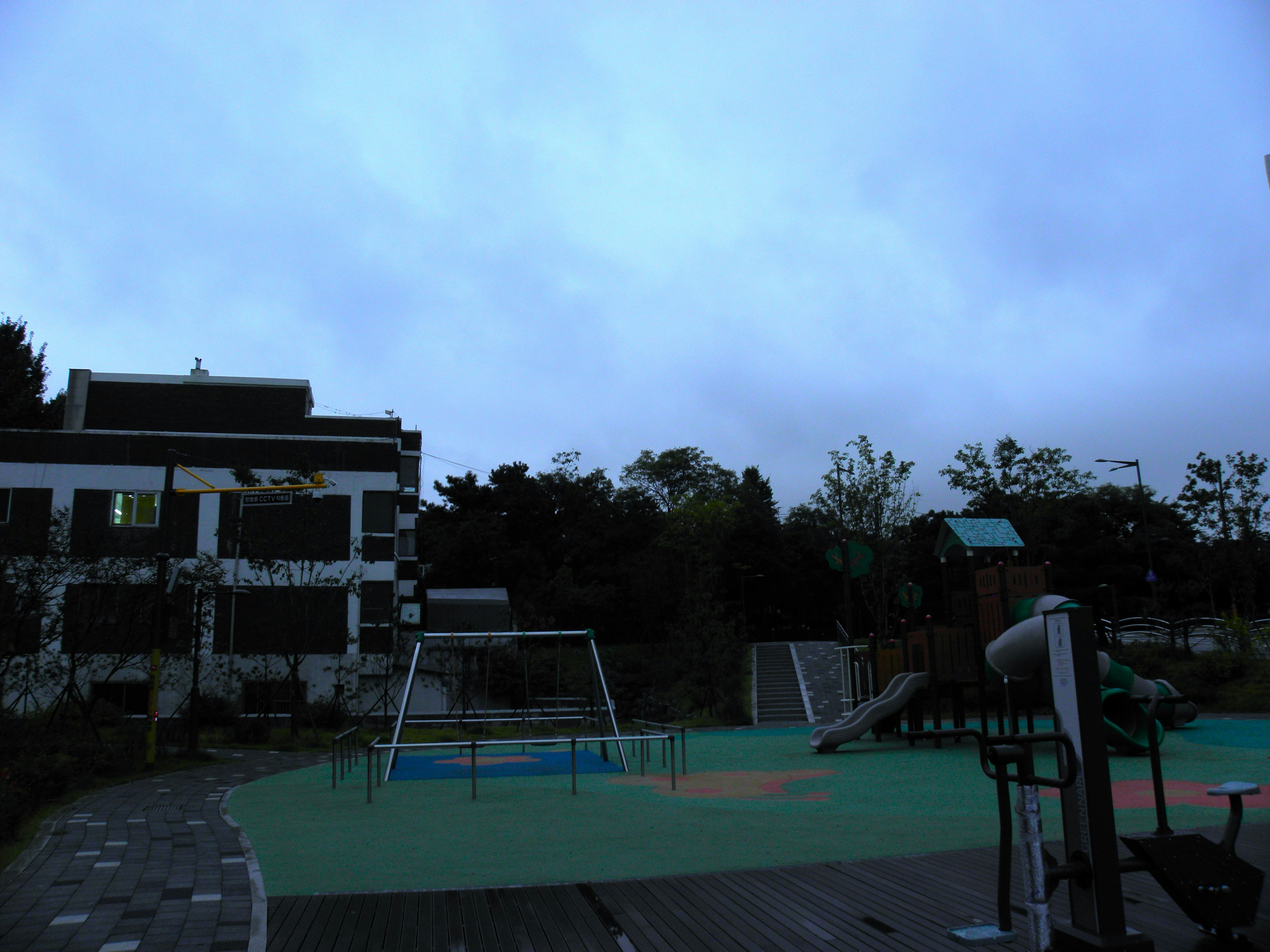
Introduction
Choosing the right playground is an essential task for parents, as it plays a crucial role in their children’s overall development. Playgrounds are not merely spaces filled with slides and swings; they serve as important environments where children engage in physical, social, and emotional growth. The significance of selecting a suitable playground extends beyond mere leisure, touching upon the foundational aspects of a child’s upbringing.
Firstly, a well-designed playground promotes active play, which is vital for physical health. Engaging in physical activities helps children develop their motor skills, balance, and coordination. The benefits of active play are manifold, ranging from enhanced physical fitness to improved bone health, ultimately contributing to a lifelong appreciation for activity. Additionally, playground equipment that encourages various forms of play can inspire creativity and imagination, allowing children to explore their abilities in a stimulating environment.
Equally important is the social aspect of playgrounds. These outdoor spaces offer children the opportunity to interact with peers, fostering essential social skills such as communication, cooperation, and conflict resolution. When children play together, they learn to share, negotiate, and develop friendships, creating a strong foundation for their social lives. Such interactions not only enrich a child’s social experience but also contribute positively to their emotional intelligence and resilience.
Moreover, a well-maintained playground provides a safe environment for children to explore and engage in play. Safety features, such as soft flooring and properly maintained equipment, help prevent injuries, assuring parents that their children can enjoy their playtime without undue risk. By choosing a reputable playground, parents can rest assured that they are promoting a healthy mix of physical engagement and safe exploration, invaluable for a child’s comprehensive development.
Assessing Safety Features
When it comes to selecting a playground for children, safety should be the foremost consideration for parents. Evaluating the safety features of a playground involves several key factors that can significantly reduce the risk of accidents and injuries. One of the most critical aspects is the surface material of the playground. Soft surfaces, such as rubber or grass, provide better cushioning in case of falls compared to hard surfaces like concrete. Parents should look for well-maintained areas where surfacing is level and adequately thick to minimize injury risks.
Another important feature to assess is the height of the equipment. Generally, play structures should be age-appropriate and designed with safety in mind. Equipment for younger children should not exceed a certain height to ensure that falls from the equipment are not catastrophic. Parents should also verify that play equipment adheres to safety standards related to height and design, ensuring that it is suitable for their child’s age.
Furthermore, guardrails and barriers are essential elements that can prevent falls from elevated areas. Parents should check that these safety features are present and properly installed. Inspecting the area for sharp edges or potential hazards is also vital. Children can easily get hurt on protruding parts of equipment or on rough edges, so any sharp components should be immediately addressed or avoided altogether. A routine inspection of the playground by parents can help identify potential safety risks before children play, thereby fostering a safer play environment.
In conclusion, assessing safety features at a playground involves careful consideration of surface materials, equipment height, guardrails, and potential hazards. By prioritizing these elements, parents can ensure a safer and more enjoyable experience for their children.
Age Appropriateness of Equipment
When selecting a playground, it is essential to consider the age appropriateness of the equipment available. Each developmental stage comes with distinct needs and abilities, ultimately influencing what types of play structures are suitable for children. For instance, toddlers, typically ranging from 1 to 3 years of age, require equipment that is designed for their small size and emerging motor skills. This can include low slides, small climbing structures, and soft surfaces that minimize the risk of injury during exploration.
As children graduate to preschool age, approximately 3 to 5 years old, their physical abilities evolve, enabling them to engage with slightly more complex equipment. Preschoolers benefit from interactive play structures, like moderate-height climbing walls or swings that accommodate their growing strength. It is crucial that these features promote social interaction and imaginative play, allowing children to engage with their peers while developing their independence.
For older children, generally aged 5 to 12 years, the playground should provide equipment that challenges their developed skills. This demographic often seeks engaging and stimulating activities such as higher slides, climbing structures, and more sophisticated athletic challenges. These installations not only cater to their physical development but also foster resilience and problem-solving skills through physical challenges. Moreover, safety standards for older playgrounds should not be overlooked; equipment must be sturdy enough to handle rough play, yet designed to minimize injury risks.
Understanding the age-appropriate equipment is vital in ensuring that children can play safely and effectively at their level, promoting both enjoyment and development. Parents must advocate for playground options that correspond to all stages of childhood, ensuring that each child can benefit from a safe and engaging play environment.
Consideration of Accessibility
Choosing a playground that caters to all children, including those with disabilities, is crucial for fostering an inclusive environment. Accessibility in playground design not only involves compliance with regulations but also an understanding of the various needs that children with disabilities may have. Key features that should be prioritized include wheelchair-accessible ramps, which facilitate access to play structures at different heights and ensure that no child is left out of the fun.
In addition to ramps, sensory play areas offer an enriching experience for children with sensory processing disorders. These areas often include elements designed to engage multiple senses, such as tactile panels, musical instruments, and water features. Such interactive installations can greatly enhance imaginative play, benefiting children of all abilities and particularly those who may require alternative forms of engagement.
Adaptive equipment is another essential feature to look for in accessible playgrounds. This equipment is designed to accommodate various physical abilities, such as swings with safety harnesses or low climbing structures that enable children with limited mobility to participate fully. By ensuring a wide variety of adaptive play options, parents can provide their children with opportunities to develop social skills, motor abilities, and a sense of belonging.
Moreover, it is vital to create clear pathways that allow for smooth navigation throughout the playground, minimizing barriers that may hinder access for children with mobility challenges. Incorporating universally designed elements can help transform a typical playground into an inclusive play space where all children can thrive. Thus, when selecting a playground, it is essential for parents to prioritize accessibility features, ensuring that all children, regardless of their abilities, are able to enjoy playtime together.
Location and Convenience Factors
When considering a playground for children, location and convenience factors play a pivotal role. The proximity of the playground to your home or schools significantly influences the frequency of visits. A nearby playground encourages regular outings, fostering social interactions among children and families. Additionally, a location easily accessed by walking or biking promotes a healthy lifestyle, instilling the importance of physical activity from an early age.
Parking availability is another essential consideration. A playground with ample parking facilities ensures that parents can easily manage the logistics of visiting with children. It is advisable to look for playgrounds that offer designated parking spaces, as this enhances the overall experience, allowing parents to focus on spending quality time with their children rather than navigating parking challenges.
Accessibility via public transport is also crucial for families who do not drive. Playgrounds located near bus stops or train stations can be appealing to those who rely on public transit. This consideration not only expands accessibility but also allows for a broader community of families to enjoy the playground and connect with others, fostering a sense of belonging.
Surrounding amenities can further enhance the playground experience. Facilities such as restrooms, drinking water fountains, and picnic areas facilitate longer, more enjoyable visits. Parents are more likely to appreciate playgrounds that offer these conveniences, as it allows for convenient breaks, meal preparation, or routines during outings. Combining a playground visit with activities such as picnicking can make for an engaging family day out and create memorable experiences.
Environmental Features and Natural Elements
The environmental features and natural elements of a playground play a pivotal role in enhancing children’s play experiences. Natural landscaping, including the inclusion of trees, shrubs, and native plants, not only beautifies the area but also provides shade and cooler spaces for children to explore. Shaded areas are crucial in sunny climates, allowing children to engage in outdoor activities without the risk of overheating or sunburn. Incorporating such elements can make a playground more inviting and enjoyable for families.
Beyond just shade, the presence of trees and landscaped areas creates opportunities for imaginative play. Children often enjoy climbing, hiding, and exploring natural structures, which can enhance their physical development and aid in fostering a sense of adventure. Playgrounds that integrate water features, such as ponds or splash pads, further enrich the play experience. Water encourages sensory exploration and can offer both recreational opportunities during warm weather and educational moments related to nature and ecosystems.
Moreover, thoughtfully designed spaces for quiet reflection or adventure add to the versatility of a playground. Quiet zones with benches or soft grasses allow children to recharge, promoting social interactions and offering spots for parents to observe their kids. Adventurous features like logs for balance or small hills for climbing can stimulate creativity and challenge children’s physical abilities, fostering resilience and confidence.
In summary, the integration of environmental features and natural elements enriches a playground’s overall atmosphere, promoting not just physical activity but also emotional well-being and cognitive development. When selecting the ideal playground, parents should consider how these natural components contribute to a holistic play environment that supports their child’s growth and exploration.
Community Feedback and Recommendations
When searching for the perfect playground for your children, community feedback and recommendations can serve as invaluable resources. Engaging with other families can provide insights and opinions about local playgrounds that may not be readily available through official channels. In this digital age, social media platforms have become a popular means for parents to share their experiences. Consider joining community groups on platforms such as Facebook or on this site, where parents often discuss their favorite playgrounds and share photos, tips, and warnings about specific locations.
In addition to social media, local parenting forums can be a treasure trove of information. Websites aimed at parents frequently feature discussion boards where families can post inquiries and offer detailed reviews regarding playgrounds. This can be particularly useful for assessing the safety, cleanliness, and suitability of various parks. Look for threads discussing specific playgrounds, or even initiate a conversation by asking for recommendations based on your needs.
Another method for gathering playground recommendations is to participate in local community events. Engaging with other parents at these gatherings can lead to informal discussions about which parks are the best for children of various ages. Additionally, attending events at playgrounds can provide firsthand experience regarding atmospheres and facilities. This can inform your decision better than online reviews alone.
Overall, seeking community feedback is essential in the process of finding the perfect playground. By utilizing social media platforms, participating in local forums, and engaging with fellow parents, individuals can cultivate a well-rounded understanding of the playground options available in their area. This collaborative approach not only enhances the decision-making process but helps ensure a safe and enjoyable experience for children as they explore and play.
Planning a Playground Visit
Planning a successful visit to a playground requires forethought and preparation to ensure that both parents and children have a delightful experience. One of the first considerations should be what to bring along. Essential items include snacks and water to keep energy levels up and hydration in check. A well-stocked first-aid kit can prove invaluable should any minor accidents occur while children engage in energetic play. Having these items readily available promotes a sense of security and allows families to focus on enjoying their time outdoors.
Timing is another critical factor when planning a visit to a playground. Many parents have experienced overcrowded facilities, which can diminish the joy of an outing. To avoid this, consider visiting during off-peak hours, such as early mornings or weekday afternoons. Understanding the typical rush hours in your locality can help in selecting the best times to visit. This planning not only enhances the experience by providing more space for play but also helps parents keep a closer eye on their children in a less chaotic environment.
Additionally, arranging playdates with other children can add an enjoyable dimension to a playground visit. Children often find great enjoyment in sharing experiences with friends, and it can enhance their social skills as they navigate shared play equipment. Reaching out to fellow parents to coordinate a time to meet provides opportunities for both children and adults to develop friendships. Therefore, utilizing these strategies ensures that a playground visit is both fun and fulfilling, fostering an environment where children can thrive socially and physically.
Conclusion: Making the Right Choice for Your Child
Choosing the right playground for your child is a significant decision that holds various implications for their development, safety, and overall happiness. Throughout this guide, we have emphasized the importance of assessing different playgrounds based on several criteria. Safety features should always take precedence; look for playgrounds that adhere to safety standards and have soft surfaces, age-appropriate equipment, and proper maintenance. This attention to safety ensures that your child can explore and play without undue risk of injury.
Accessibility is another critical factor. The ideal playground should accommodate children of all abilities, allowing them to engage in play alongside their peers. A diverse playground that offers equipment suitable for various developmental stages not only fosters inclusivity but also promotes social interactions and teamwork among children.
Moreover, consider the environment surrounding the playground. The setting should be clean, well-lit, and located in a safe neighborhood. Parents should evaluate whether facilities such as restrooms, seating areas, and shade are available, as these amenities contribute to an enjoyable experience for both children and caregivers.
Additionally, observe the age range of the playground users. Playgrounds that cater to specific age groups might provide a more tailored experience for your child, ensuring they have access to appropriate challenges. Opportunities for imaginative play, social connection, and physical activity all play crucial roles in early childhood development.
In conclusion, taking the time to research and assess various playground options can significantly enhance your child’s play experience. A well-chosen playground not only supports physical and social development but also offers countless moments of joy and learning. Remember to trust your instincts and engage with your child’s preferences to find a playground that feels just right.


Leave a Reply